
Who We Are
The Millennial Action Project has an audacious mission: activate young leaders to bridge the partisan divide and transform American politics.
We convene and develop young leaders
MAP connects Gen Z and Millennial legislators through the Future Caucus network
MAP catalyzes collaborative, cross-partisan solutions on key policy issues
MAP trains legislators to overcome polarization through innovative leadership development
MAP uplifts positive models of public service by young leaders with creative storytelling



“America is trying to do something that’s never been done before: build the largest, multi-racial, multi-ethnic, multi-religious democracy in the history of the world. That is a moonshot. But we’ve set ambitious goals before, and met those goals. ”
Events

Some young candidates struggle to stay in office because of burnout and low pay, said Reed Howard, vice president of strategy and public affairs at the Millennial Action Project.

Millennial Action Project (MAP) announced today the launch of its policy Innovation Lab, a fulcrum for policy education and bridge-building that connects the dots between the next generation of legislators and politically diverse experts and thought leaders to support bipartisan collaboration and innovative policymaking on key issues.


Generation Citizen has published resources for harnessing age diversity in civic life. Earlier this year, in partnership with civic organizations CoGenerate and the Millennial Action Project, the group put out a report with recommendations for intergenerational civic collaboration.

State Rep. Bill G. Schuette (R-Midland) represented Michigan at a Millennial Action Project conference in early August to discuss the future of the nation and the challenges it will face.

On a January day more than 10 years ago, I first stood beneath the rotunda of the Mississippi state Capitol as an elected representative of the people of my hometown.

With many leaders showing their age recently, a previously somewhat obscure word, “gerontocracy,” meaning “a government ruled by the elderly,” is popping up everywhere.
This week on the Change Maker: Layla Zaidane. Layla is the CEO and President of the Millennial Action Project.
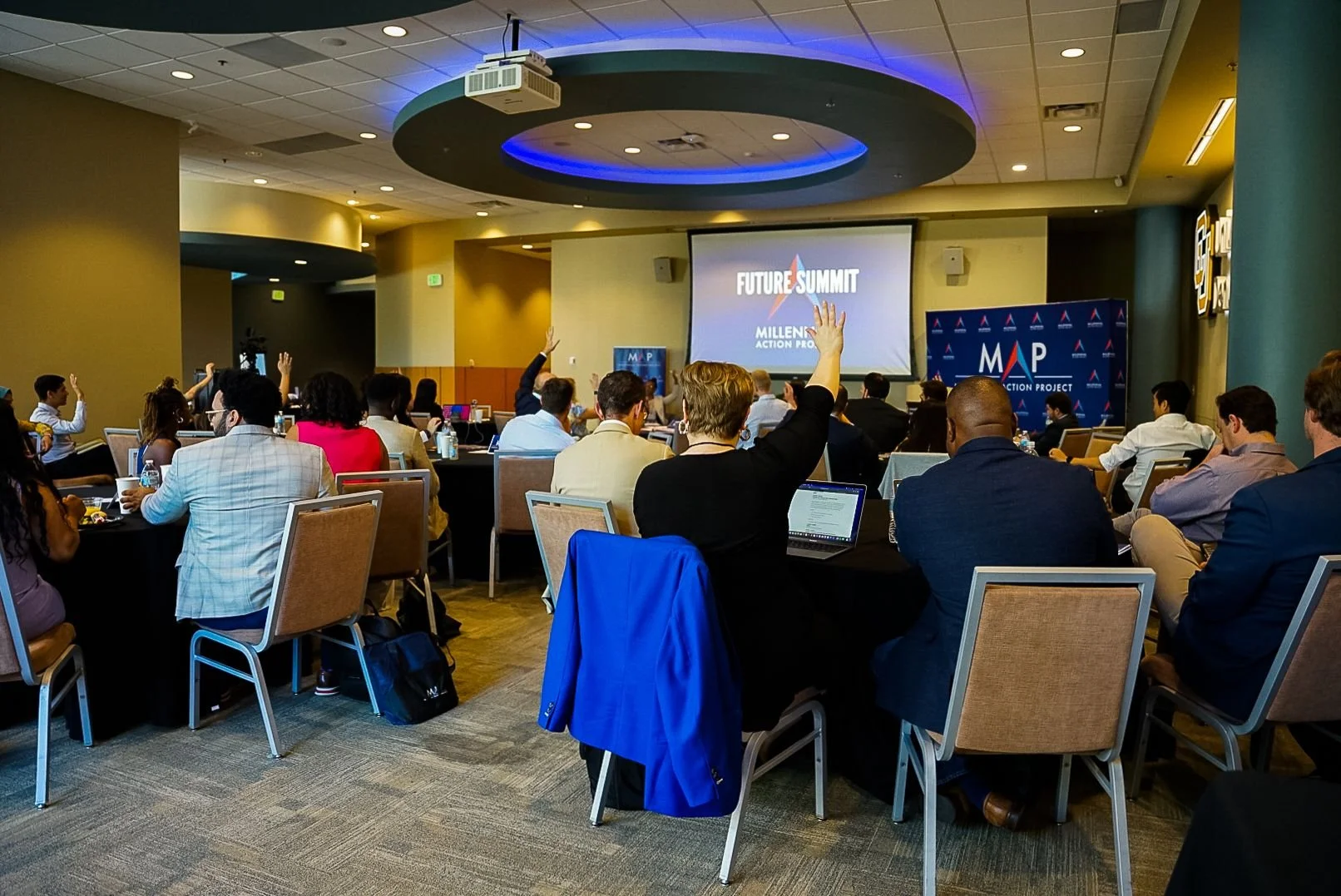
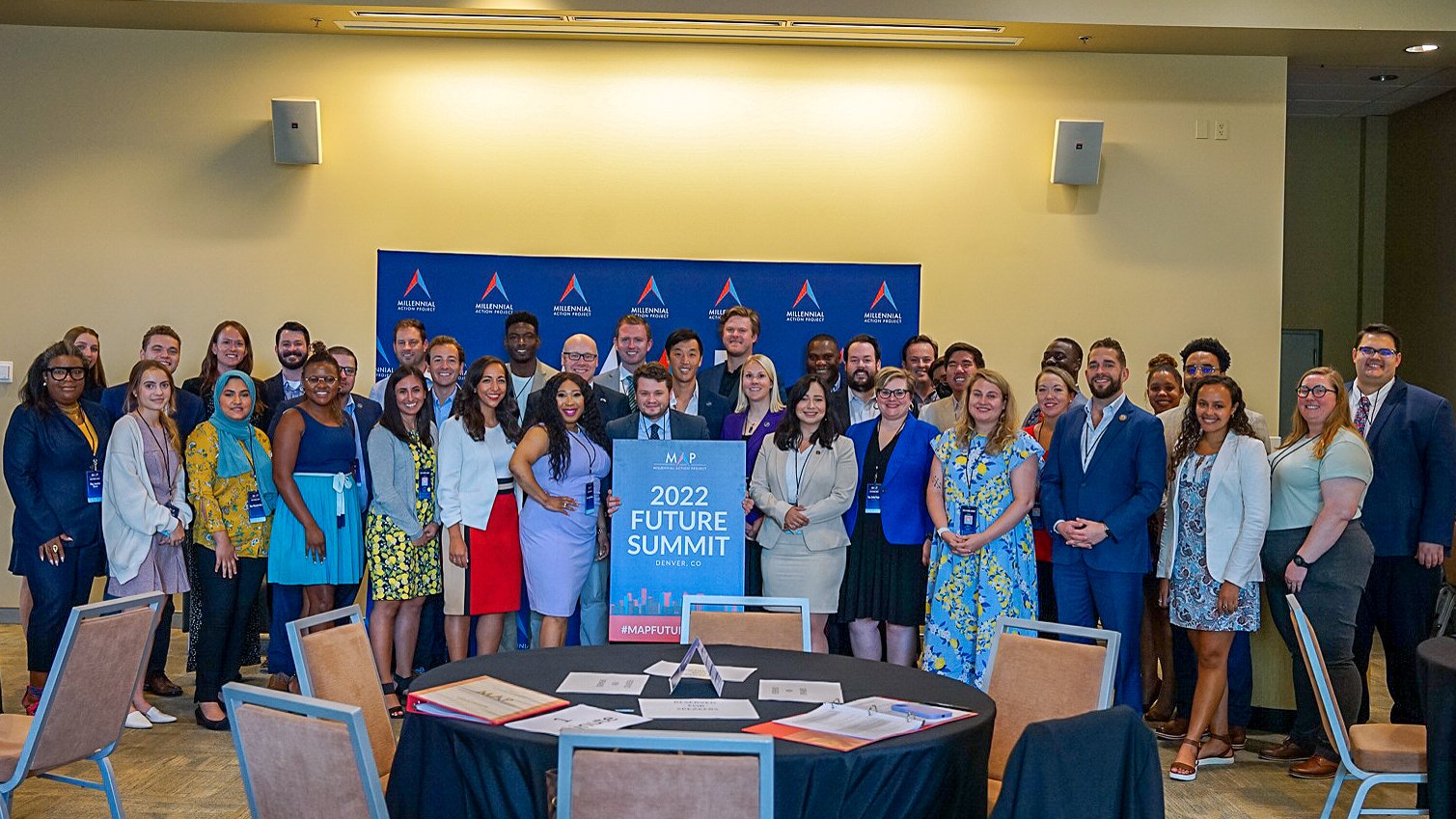
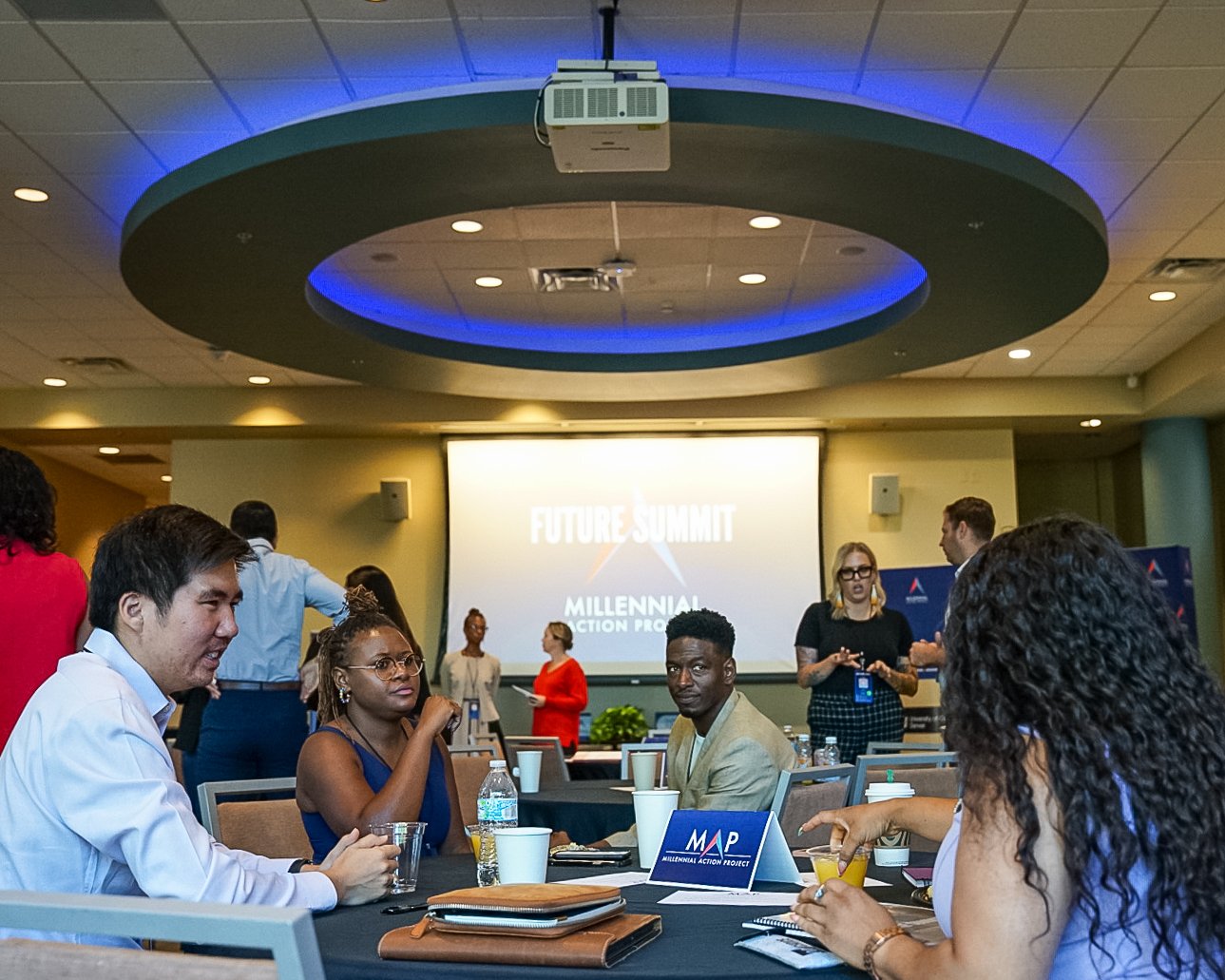
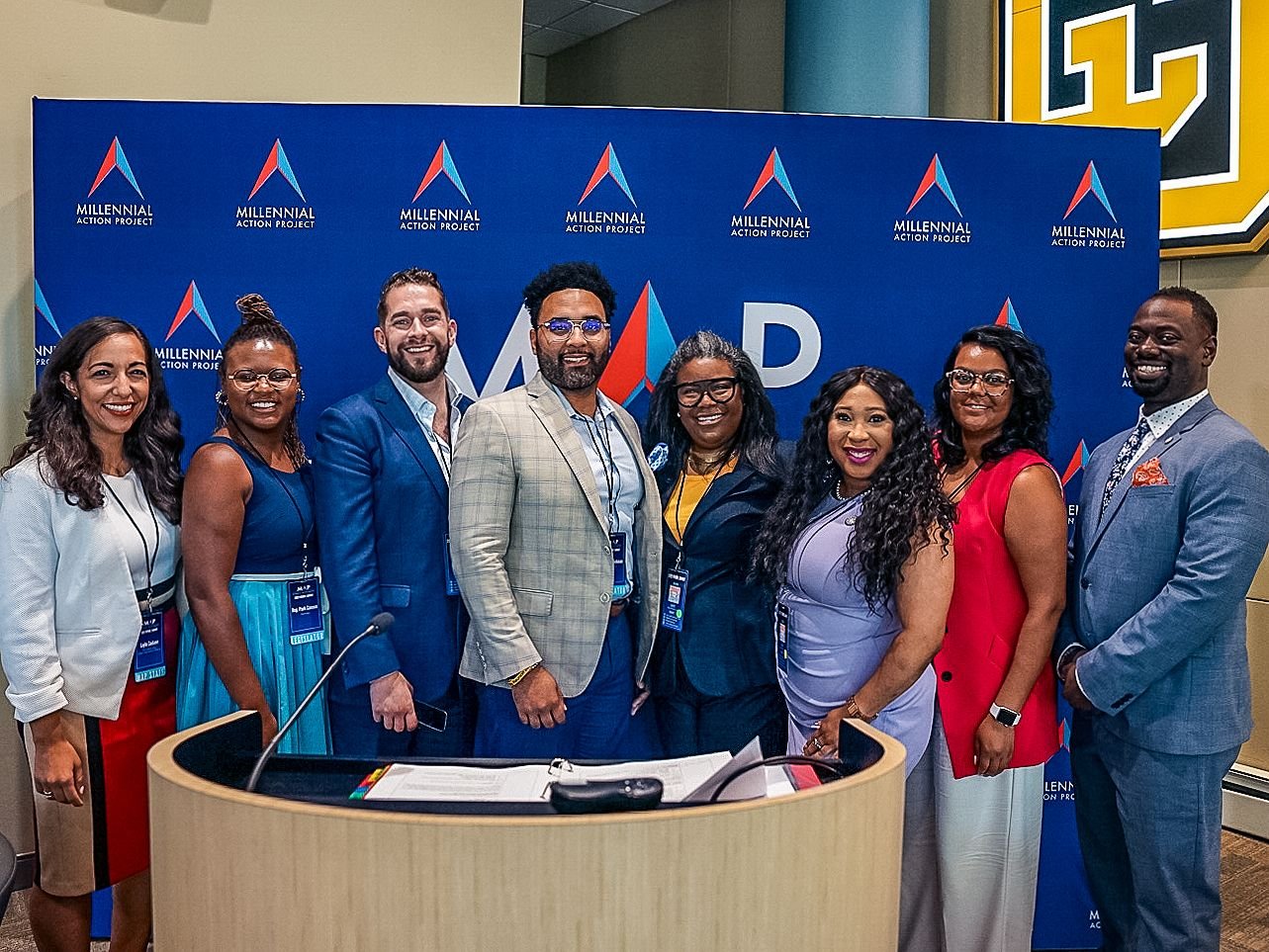
From August 9-12, a bipartisan group of 67 Gen Z and millennial state legislators from 35 states attended Future Summit hosted by Millennial Action Project (MAP) in Indianapolis to set aside partisan differences and explore innovative solutions to address our country’s most critical challenges.

Young people typically don’t gravitate to state politics, but could that be changing?
On This Week in Pennsylvania, Dennis Owens speaks to two members of the Pennsylvania Future Caucus: Rep. Justin Flemming (D-Dauphin) and Rep. Thomas Kutz (R-Cumberland).

Two Oklahoma Future Caucus members, Rep. Daniel Pae (R) and Rep. Ajay Pittman (D) have been selected to attend Millennial Action Project's Future Summit, a conference for the country's most promising, effective young lawmakers.

State Rep. Mike Rice is one of five Vermont lawmakers who have been invited to attend the Millennial Action Project's Future Summit in Indianapolis, a conference for the country's most promising, effective young lawmakers.
“Florida will send a bipartisan pair — Democratic Miami area Rep. Kevin Chambliss and Republican Rep. Berny Jacques of Seminole — to the Millennial Action Project (MAP)’s Future Summit in Indianapolis next weekend, an event billed as a conference for the country’s most promising, effective lawmakers.

Six Georgia Future Caucus members, Democratic Reps. Jasmine Clark, Yasmin Neal, Solomon Adesanya, Saira Draper, Dar’Shun Kendrick, and Imani Barnes, will attend Millennial Action Project’s Future Summit Aug. 9-12, a conference for the country’s most promising, effective young lawmakers.

Inspired by last week’s local Braver Angels 'Bipartisan Constituent Conversation,' we asked 10 national leaders in the push against polarization: What's your level of confidence that we can become a less divided nation?

Capitol View host Roby Brock met with St. Rep. Jamie Scott (D-North Little Rock) and St. Rep. Aaron Pilkington (R-Knoxville) of the Future Caucus to discuss the recent ruling by the State Supreme Court on the Arkansas LEARNS Act. They also highlighted what the Future Caucus has tackled in this session.
Today, the Arkansas Future Caucus, alongside the Millennial Action Project, announced the passage of 39 bipartisan, future-focused bills and discussed their plans for the next legislative session.
Lawmakers from both sides of the aisle came together Friday afternoon to show where they worked together this past legislative session. The Future Caucus of Arkansas held a press conference to announce 39 bipartisan bills passed in 2023, all sponsored by members under the age of 45.

Republican Rep. Thomas Kutz of Cumberland County and Democrat Rep. Justin Fleming of Dauphin County will serve as chairmen of the new bipartisan Future Caucus.

A separate group of 18 lawmakers ages 45 years old or younger announced the formation of a bipartisan Pennsylvania Future Caucus comprised of millennial and Gen Z legislators. They hope to hash out compromises on issues faced by young people and families such as rising housing, higher education, and child care costs

In a rare, bipartisan move, Pennsylvania State Representatives are coming together to discuss the launch of the Future Caucus.

Fast forward to the present. Gen Zers and millennials are now collaborating across partisan lines to address important policy issues. There is both a nonpartisan Congressional Future Caucus as well as State Future Caucus Networks so that these young officeholders can work collectively to address important issues.
“We’re putting too much pressure on aspirational Gen Z and millennial leaders…” Layla Zaidane, CEO and President of Millennial Action Project…

Oklahoma Future Caucus co-chair, Rep. Ajay Pittman shares why it’s important to have young lawmakers in state legislatures. And how a new generation of leaders are showing up authentically in the statehouse.
Assemblymember Alex Bores (D) and Assemblyman Ed Ra (R) will lead the New York Future Caucus in the General Assembly.

Through Millennial Action Project (MAP)’s network of local chapters, called Future Caucuses, Gen Z and millennial lawmakers are already building bridges and working on policy solutions together. Elected officials ranging from progressive to conservative are a part of these effective groups, and today we count 34 Future Caucuses and 1,600 young lawmakers as a part of this movement.

Between 2022 and 2023, the number of young people under the age of 26 serving in state legislatures swelled by 170%, according to data from Millennial Action Project. This generation of lawmakers will bring with them their experience of being at the forefront of the country’s gun violence epidemic.

Gen Z still has a very small representation in state legislatures, with just 73 following the most recent midterms, according to the youth leadership nonprofit Millennial Action Project. Still, that is up from 23 before the midterms.
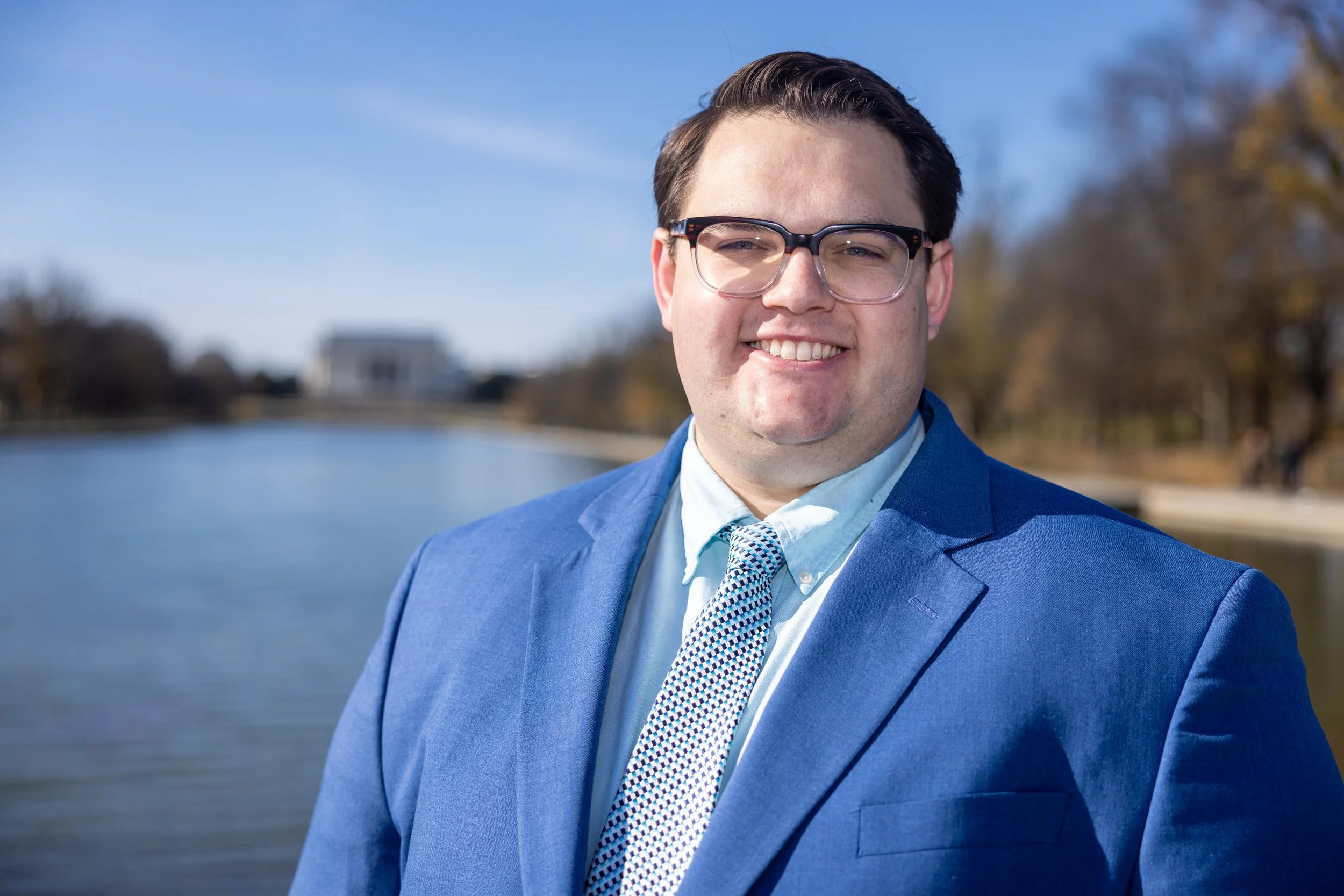
The Millennial Action Project (MAP) announces Reed Howard to serve as Vice President of Strategy and Public Affairs.

On Tuesday afternoon, a bipartisan group of legislators, in conjunction with the Millennial Action Plan, launched the Delaware Future Caucus.